 English
  中文简体
中文简体  русский


Новости отрасли
ГЛАВНАЯ / Новости / Новости отрасли / Can Aftermarket Automotive Clutches Match Factory Engagement Feel
Can Aftermarket Automotive Clutches Match Factory Engagement Feel
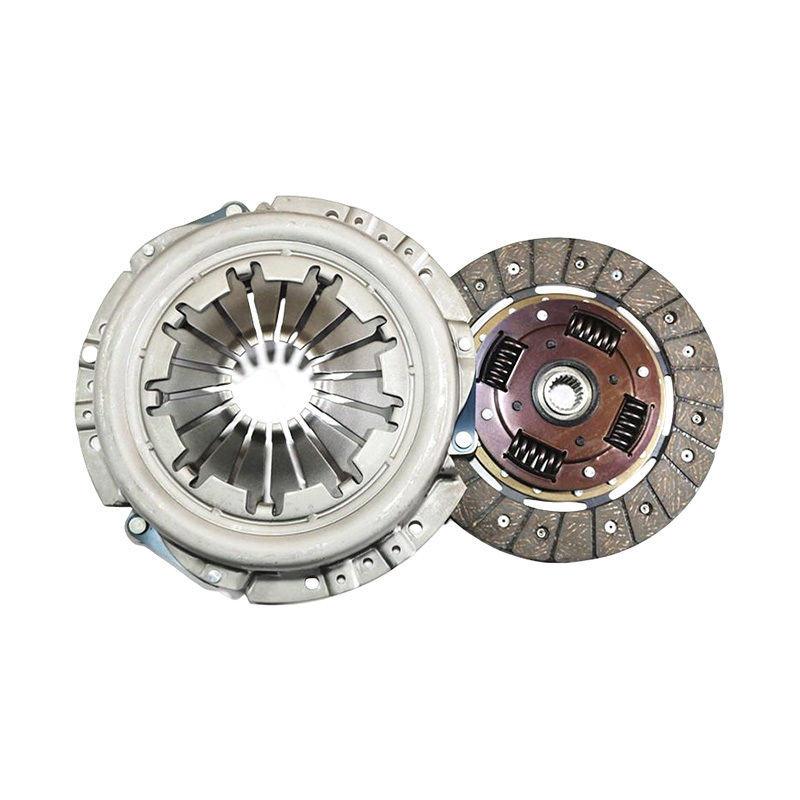
Replacing a clutch does not necessarily mean giving up the driving character of the original vehicle. Pedal weight, engagement point, take-up speed and low-speed smoothness are all influenced by the relationship between the clutch disc, clutch cover, friction material and diaphragm spring. GUHL approaches the aftermarket clutch as a matched mechanical system rather than an isolated replacement part.
Engagement Feel Starts With the Clutch Disc
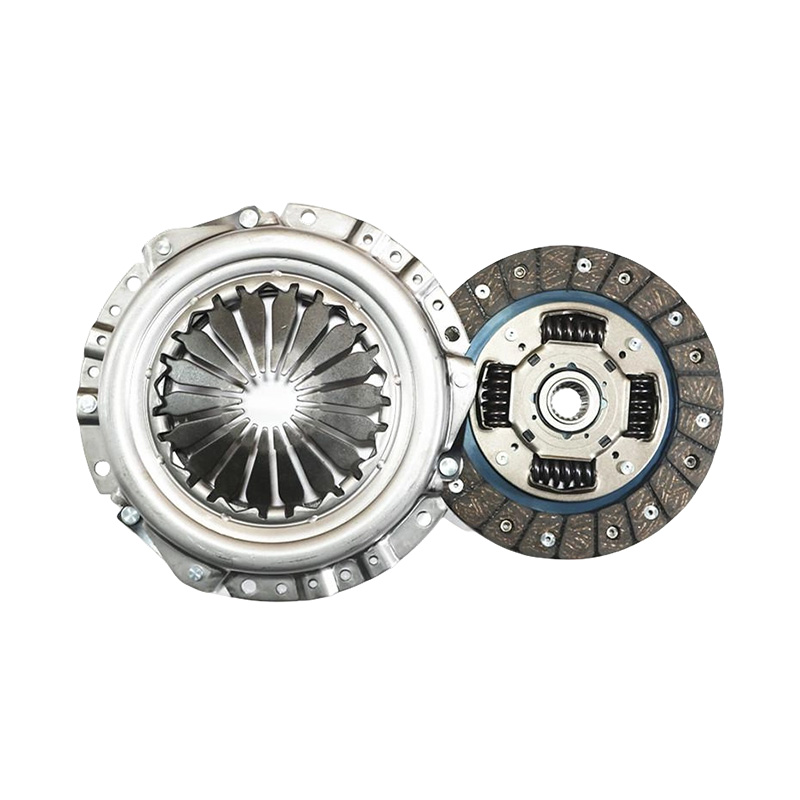
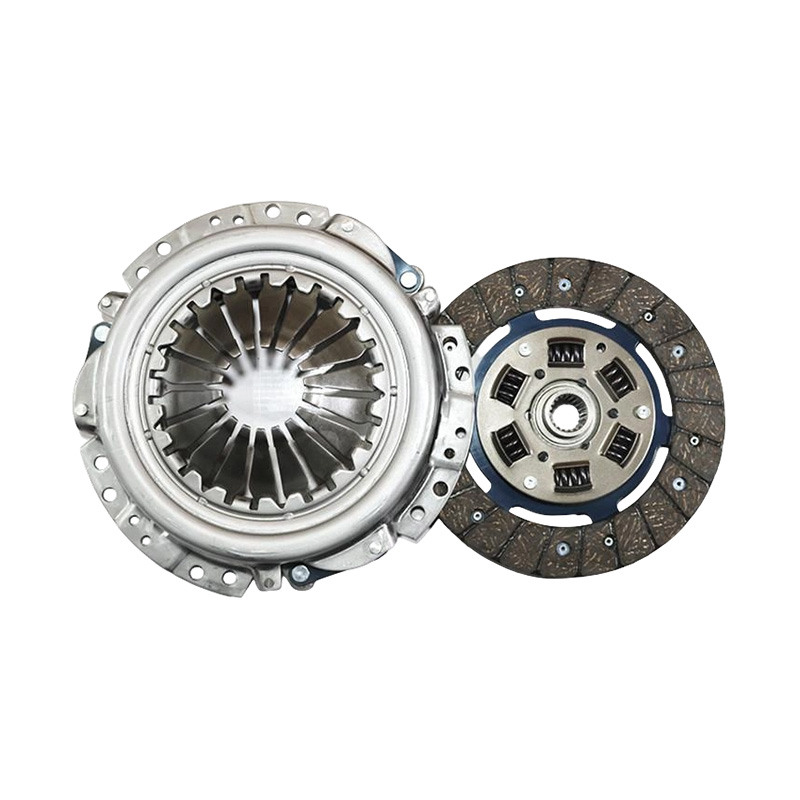
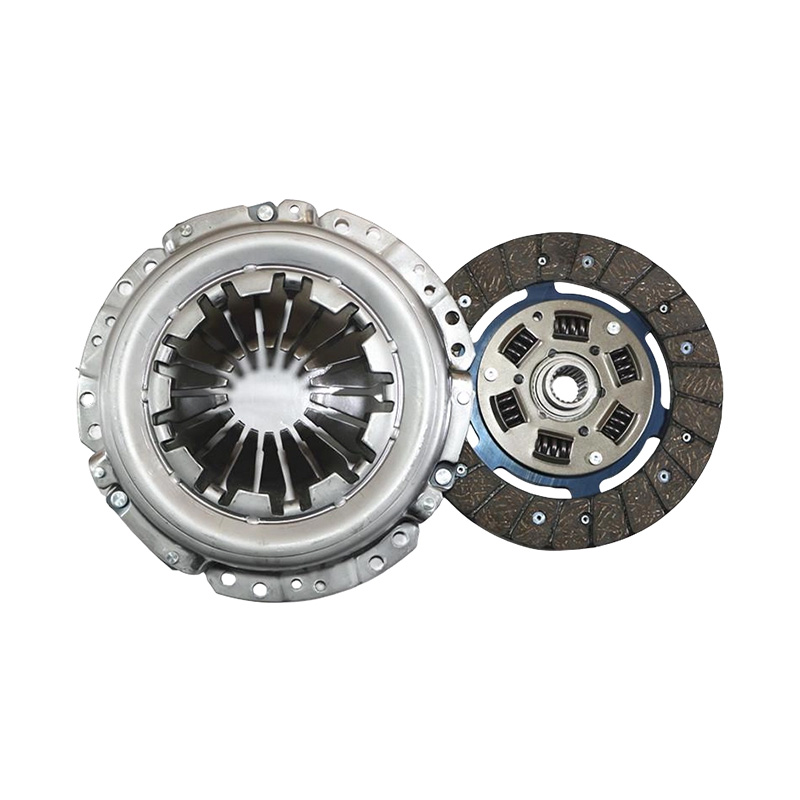
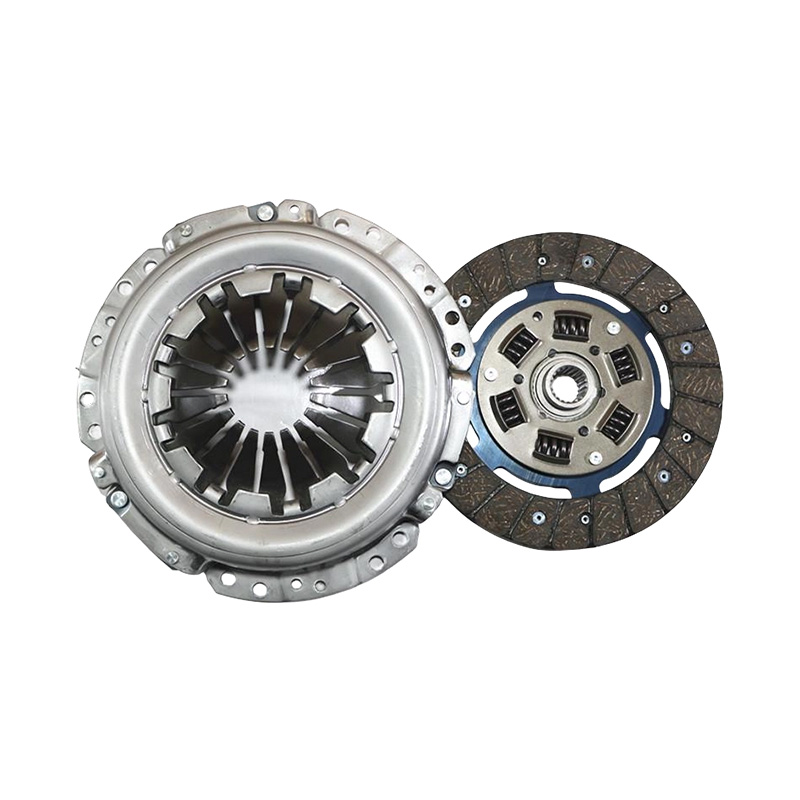
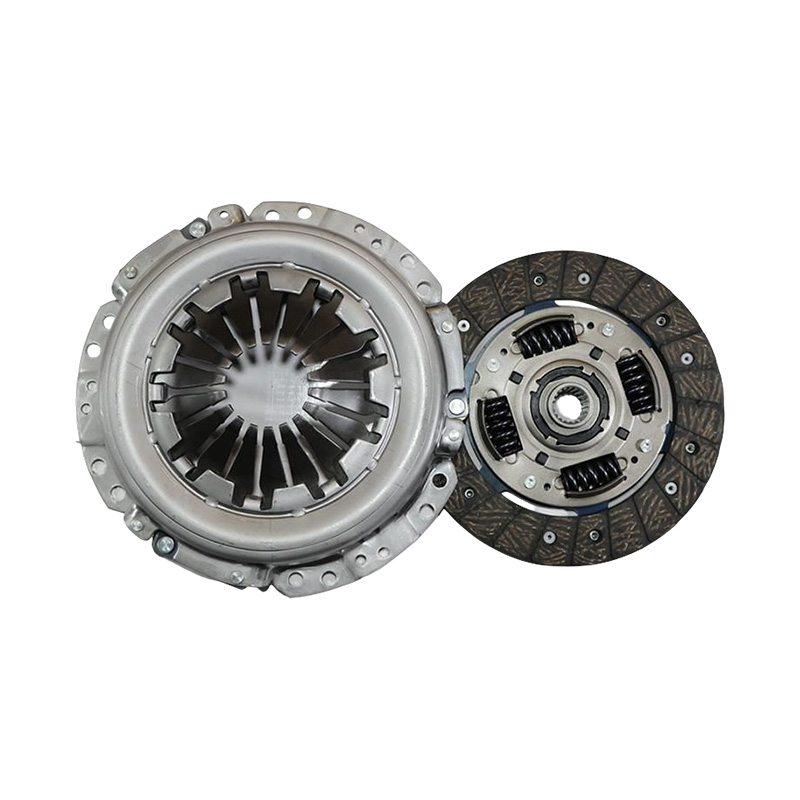
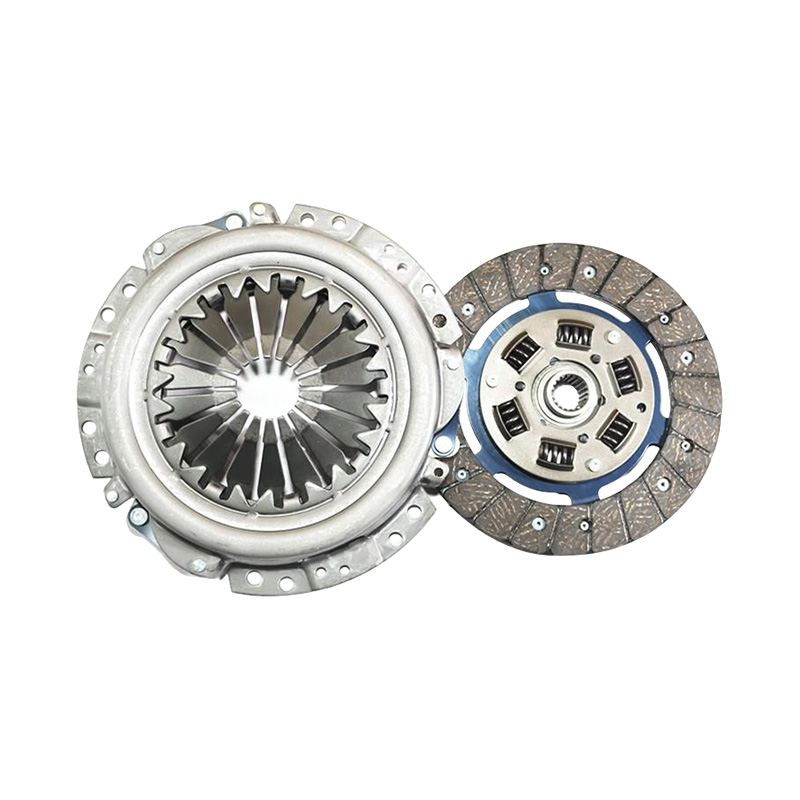
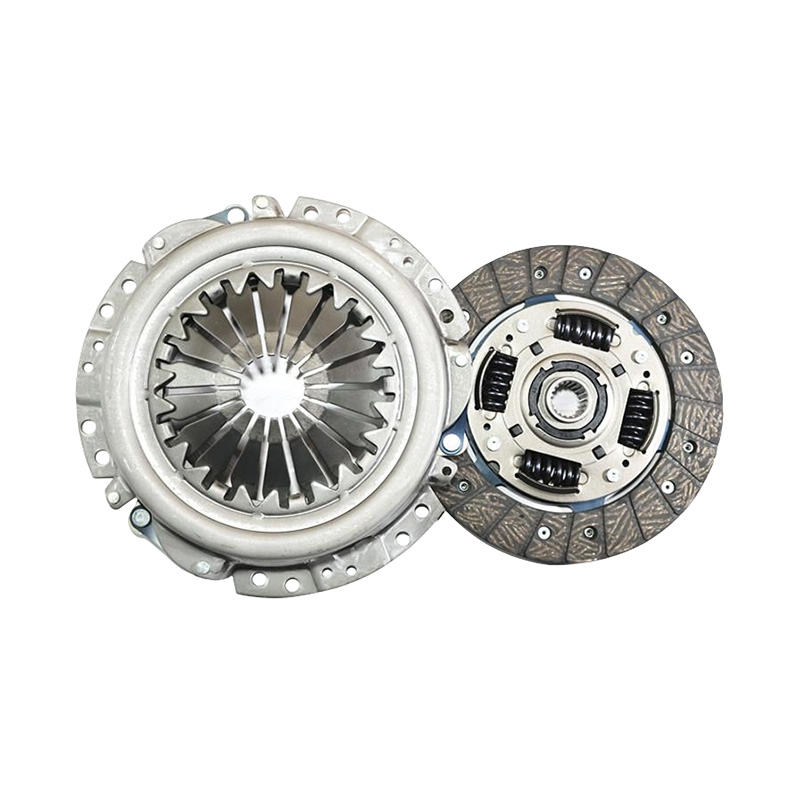
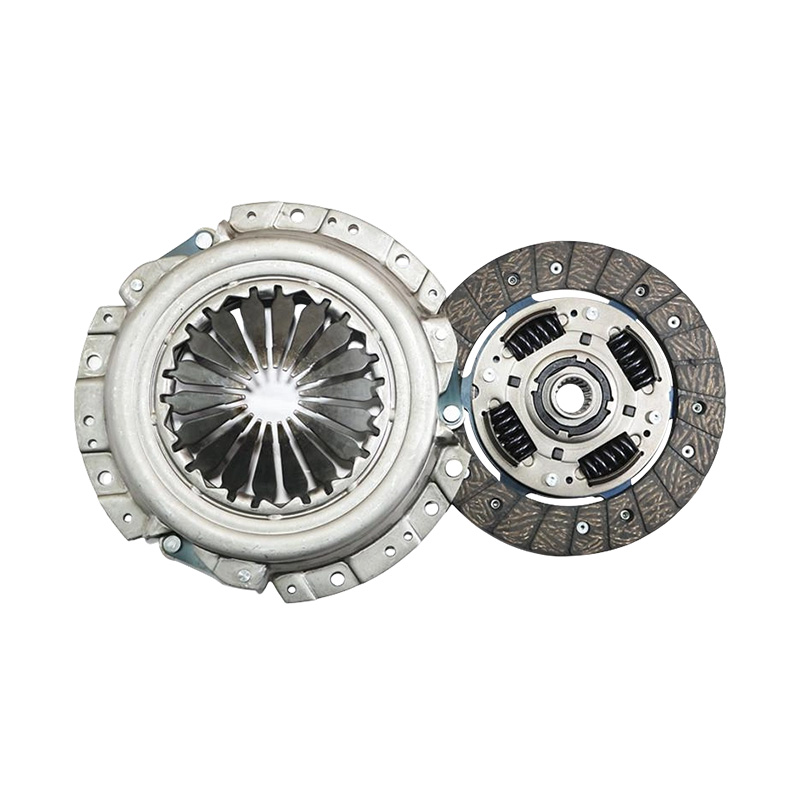
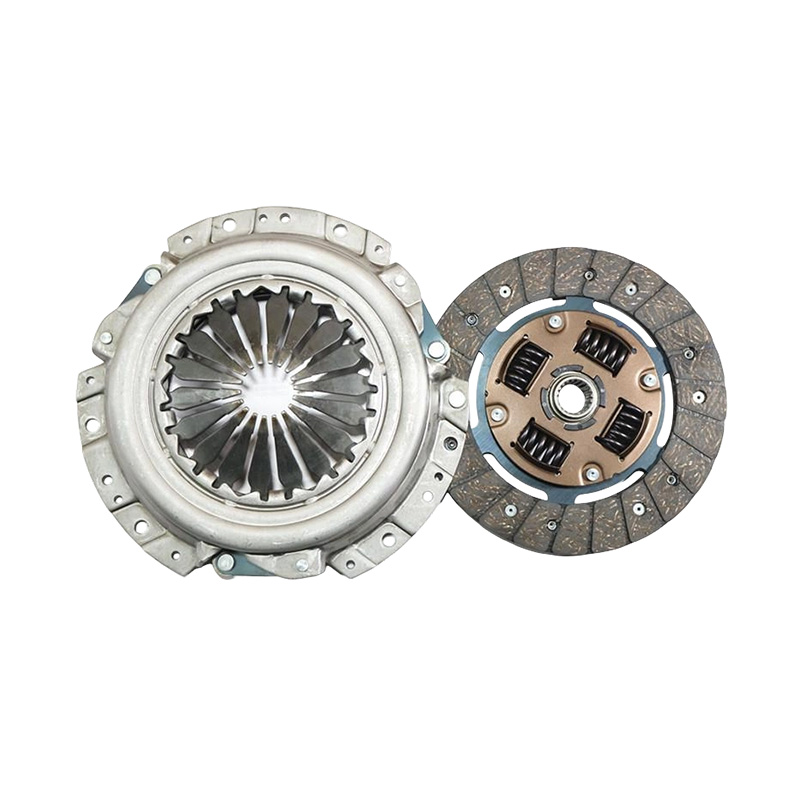
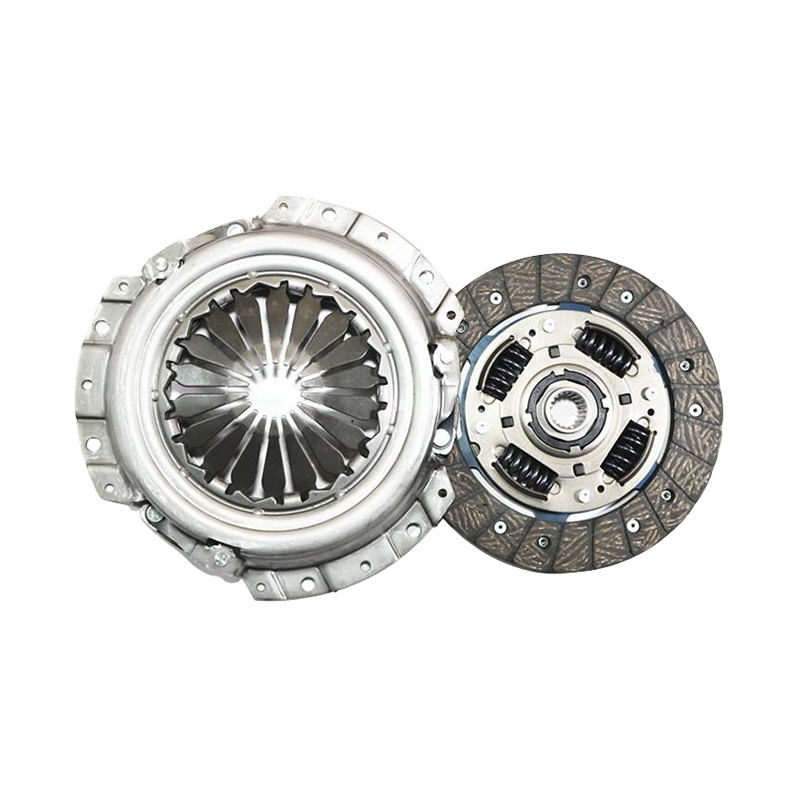
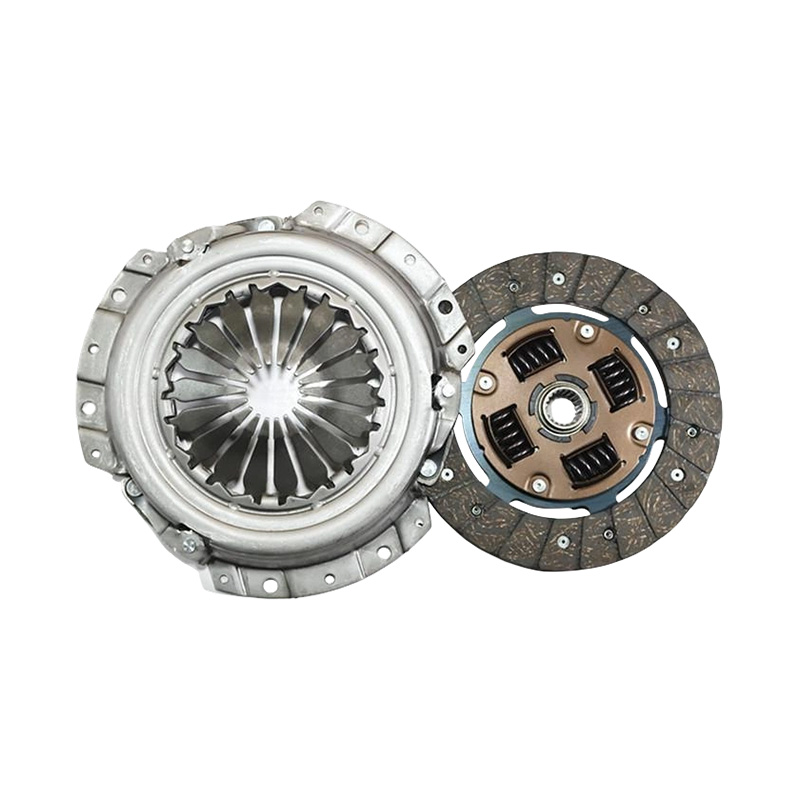
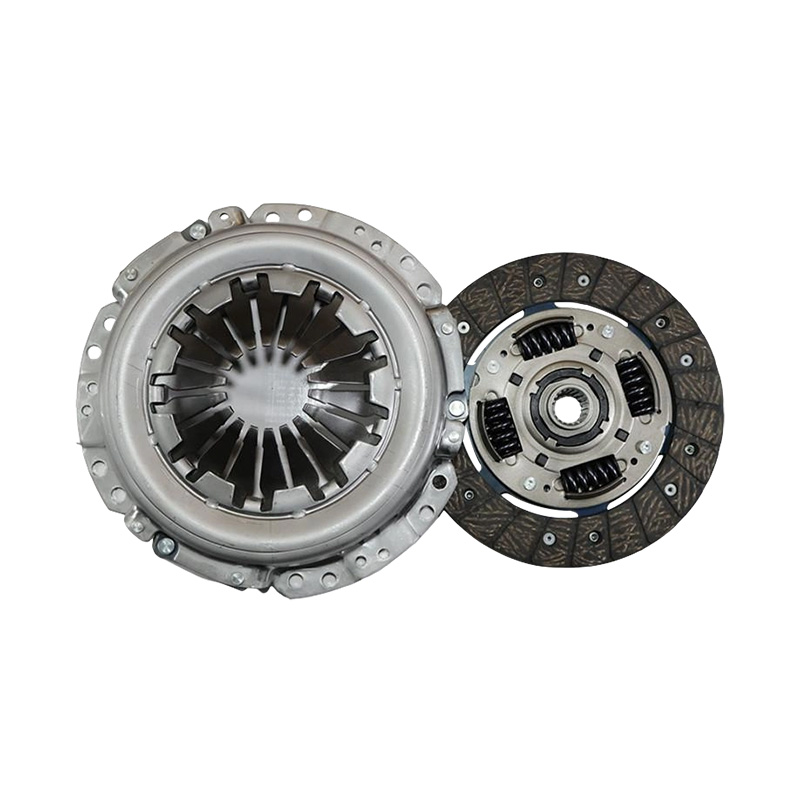
Clutch disc construction has an effect on how torque reaches the transmission. Friction lining, hub design, torsional springs and disc geometry work together during engagement.
- Friction material: Organic-style friction compounds can provide torque transfer suited to daily driving.
- Sprung hub: Torsional springs help absorb shock during clutch take-up.
- Disc thickness: Controlled thickness supports clamping and release characteristics.
- Spline accuracy: Correct hub spline dimensions help maintain transmission input-shaft engagement.
GUHL uses matched disc and cover configurations to keep these characteristics working. Such coordination matters because changing the friction surface alone can alter the perceived engagement behavior.
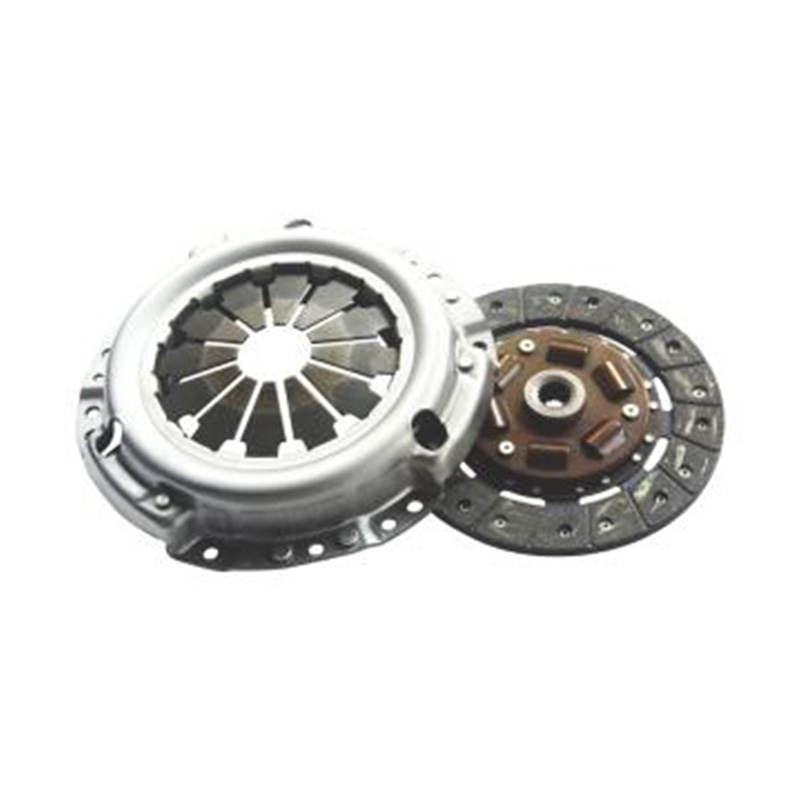
Pressure Plate Force Shapes Pedal Response
The clutch cover is another factor behind factory-like operation. Its diaphragm spring generates the clamping force that holds the friction disc between the flywheel and pressure plate. Excessive spring force may increase torque capacity. It can also create a heavier pedal. Lower force can produce a pedal but may affect torque transmission under demanding conditions.
GUHL focuses on controlled pressure-plate characteristics than simply increasing clamp load. Cover rigidity, diaphragm spring geometry, release movement and working dimensions all contribute to the pedal response.
Why Matching the Cover Matters
- Consistent diaphragm spring movement supports pedal travel.
- Stable cover construction helps maintain pressure across the friction disc.
- Correct release geometry helps prevent clutch disengagement.
- Matched cover specifications help preserve the intended engagement range.
Torque Capacity Does Not Have to Mean Harsh Engagement
Higher holding capacity and comfortable engagement are not automatically opposing targets. Clutch design can balance these characteristics through friction selection, spring calibration and torsional damping.
GUHL develops its aftermarket clutch products around application-specific specifications. A street vehicle may require engagement and moderate pedal effort while a commercial vehicle may require greater clamping force and stronger friction components. Using the internal configuration across different applications can produce noticeably different driving characteristics.
Application Matching Is Part of the Product
Vehicle model does not fully define clutch compatibility. Engine output, transmission type, flywheel dimensions, disc diameter, spline count cover dimensions and release mechanism all influence the assembly.
- Disc diameter: Common passenger-vehicle applications may use sizes around 200–240 mm while larger commercial applications require larger assemblies.
- Spline configuration: Hub spline count and input-shaft dimensions need to correspond
- Clamp load: Pressure-plate force needs to correspond with the vehicles torque requirements.
- Release system: Mechanical and hydraulic release arrangements can require cover and bearing configurations.
GUHL supports a range of clutch applications and develops products around specific vehicle and assembly requirements. Its manufacturing program includes clutch discs and covers with production focused on automotive aftermarket applications.
Can GUHL Deliver Factory- Feel?
Yes provided the replacement assembly is engineered around the application rather than treated as a generic part. A matched aftermarket automotive clutch can reproduce familiar characteristics such, as progressive take-up predictable pedal movement, controlled torque transfer and smooth low-speed engagement.
GUHLs approach combines disc construction, pressure-plate calibration, friction characteristics and application-specific dimensions. The result is a replacement clutch designed not to fit the vehicle but to preserve the mechanical behavior drivers expect from a properly matched clutch assembly.
Заинтересованы в сотрудничестве или у вас есть вопросы?
Сопутствующие товары
свяжитесь с нами
найдите наш офис
Мы стремимся предоставлять профессиональные решения для всех типов крышек сцепления и дисков сцепления.
-
 +86-578-8997966
 -
 +86-18957070075
 -
 +86-15258722555/+86-18957070075
 -
 info@doanaut.com
 -
 No.201,Changxing Third Road, Xiping Street, Songyang, Lishui, Zhejiang, China.
Мобильный

Распродажа1-WeChat

Распродажа-WeChat
Авторские права © 2026 Zhejiang Kaiyue Auto Parts Manufacturing Co.,Ltd. Все права защищены.
